UWE Festival 2024
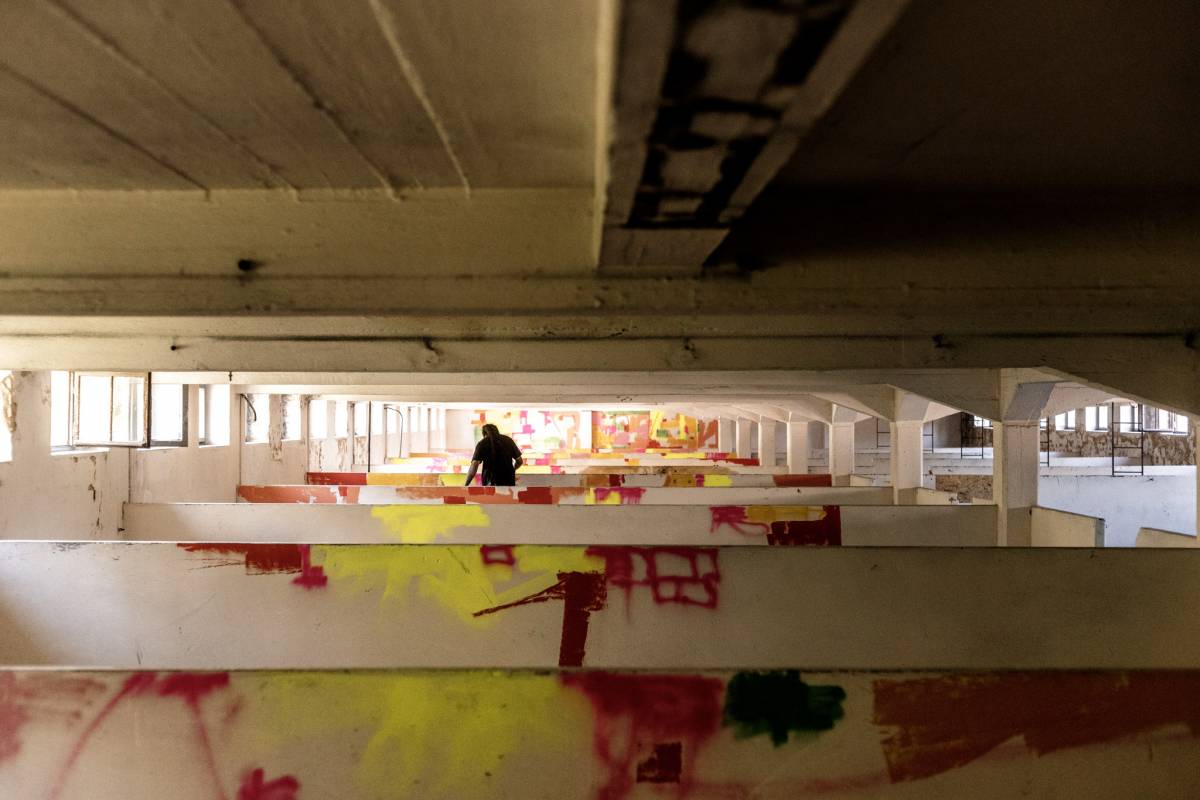
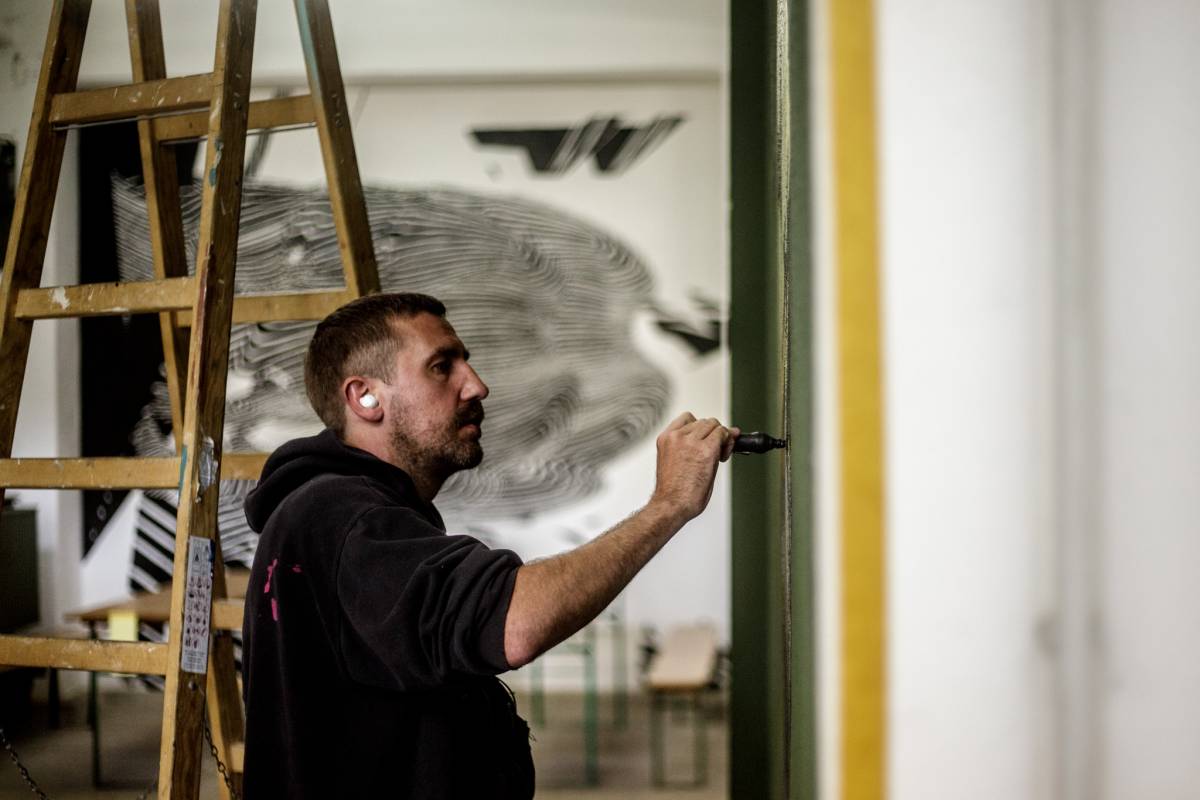
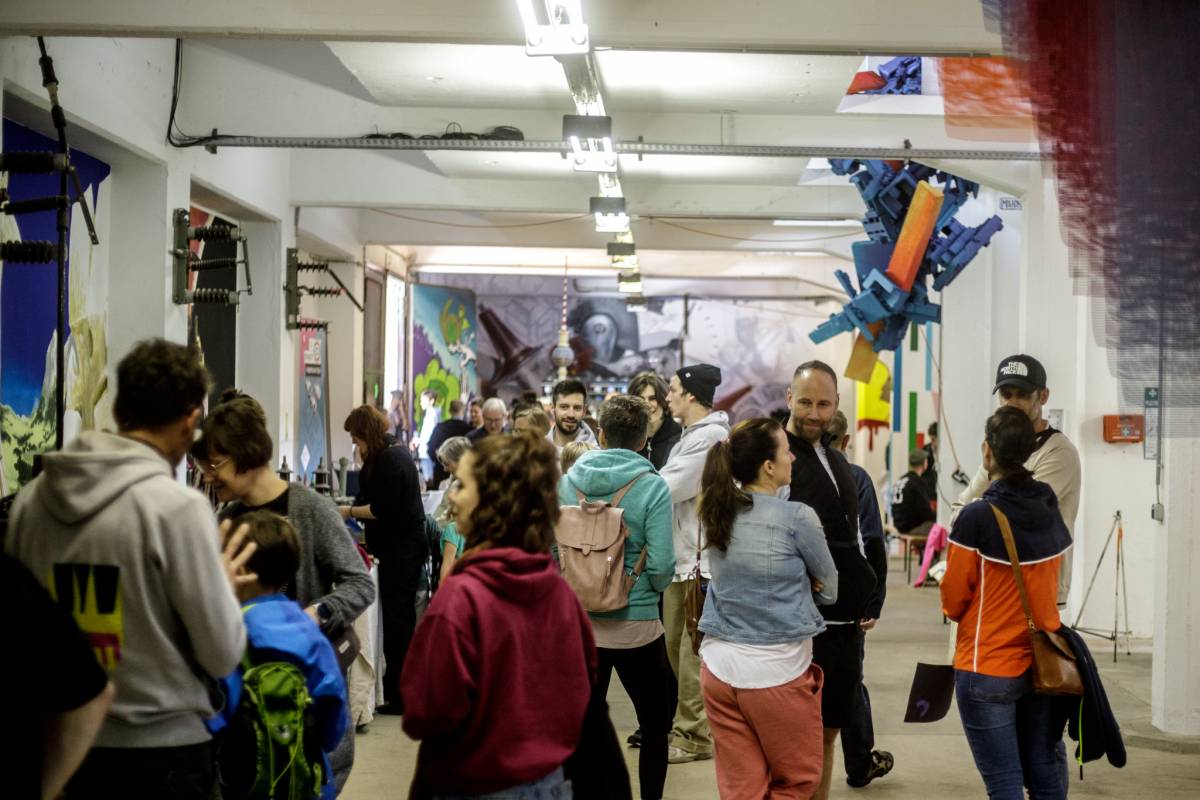
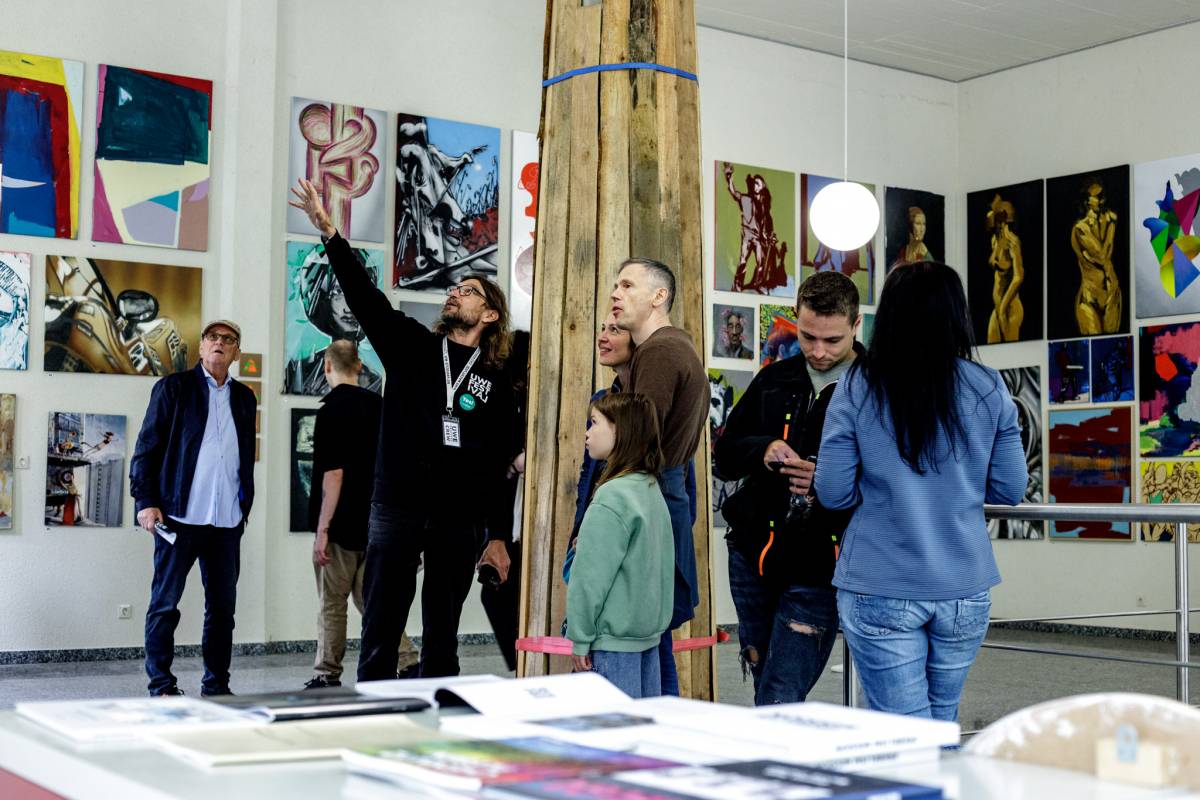
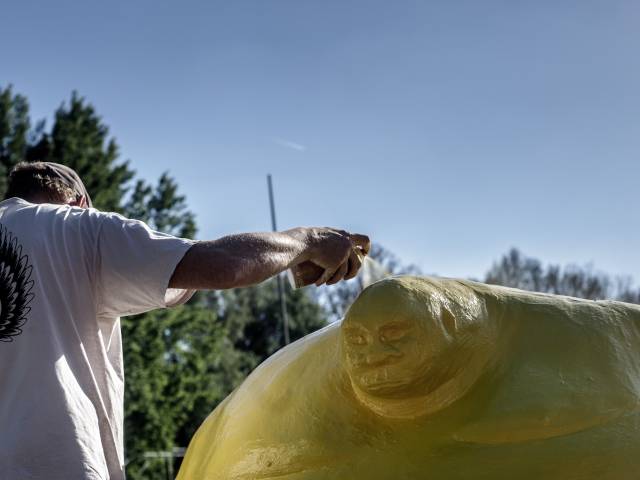
On Pentecost weekend 2024, the grounds of the Etzdorf substation were once again transformed into a lively platform for urban art, music and hands-on activities. Artists from Germany and abroad spent several weeks creating graffiti, large-format murals, installations and sculptures on the building. The result was a walk-in art landscape that combines industrial culture and contemporary creativity.
Among those taking part were: Ondreybo (Ukraine) Bert (Weimar) DiFF (Aue/BadSchlema) Chiara Dahlem (Luxembourg) Dr.Molrok (Erfurt) Didier Scheuren (St. Vith / Belgium) Florian Huber (Hamburg) Freizeitgruppe Gestaltung (Glauchau) Gosp (Leipzig) Guido Günther (Chemnitz) Hifi (Dortmund) Herr Orm (Recklinghausen) Juliane Maria Hoffmann (Leipzig) Kera (Berlin) Kitra (Berlin) Loomit (Munich) Magdalena Wiegner (Berlin) disturbanity graphics (Berlin) MOW (Oelsnitz) Nnamari (Rotterdam/NL) Naamloozz (Rotterdam/NL) Petonka (Berlin) Phillip Eichhorn (Halle) Schmiiniatures (Leipzig) Slex Nenskat (Plauen) and many more.
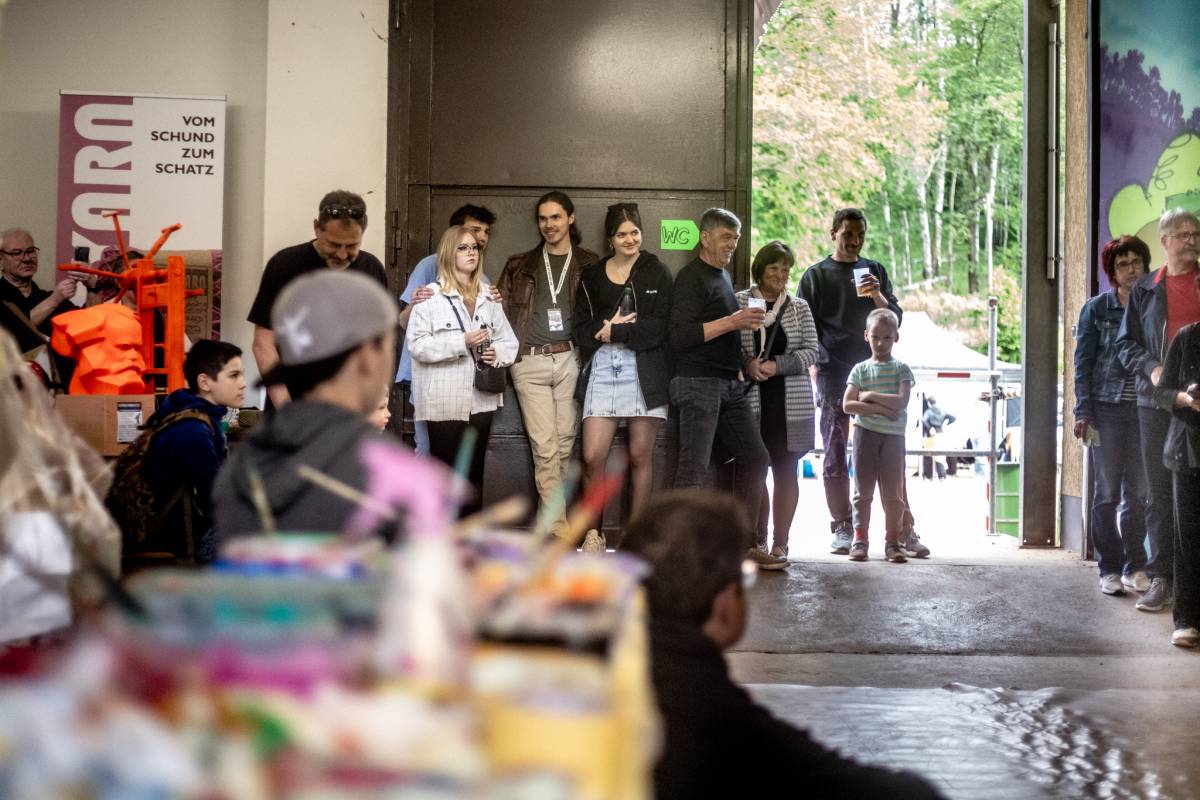
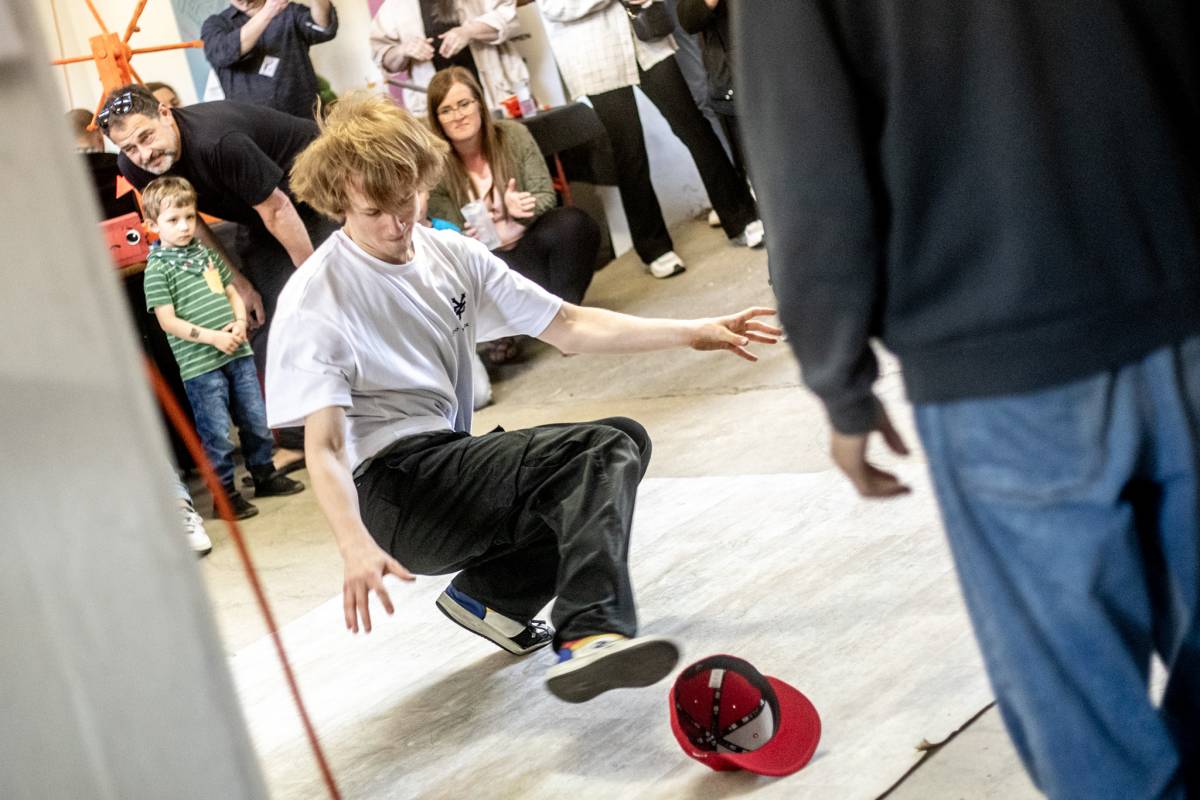
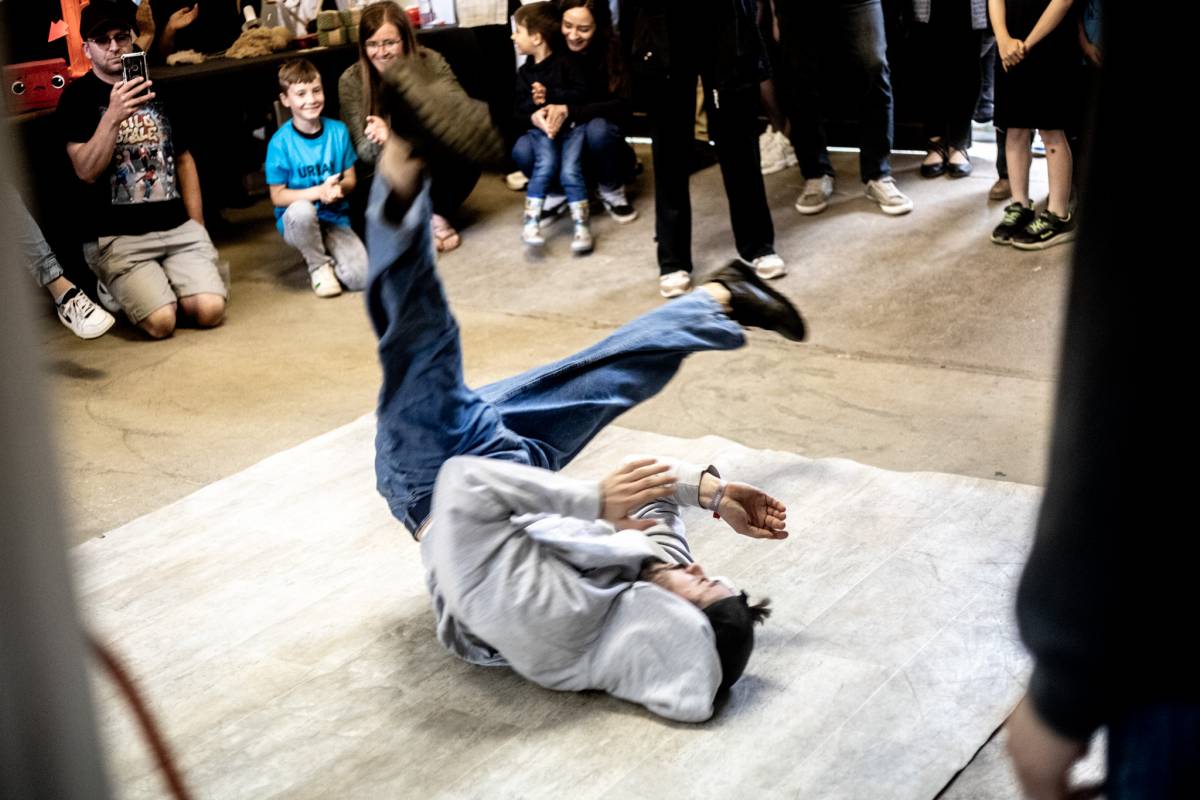
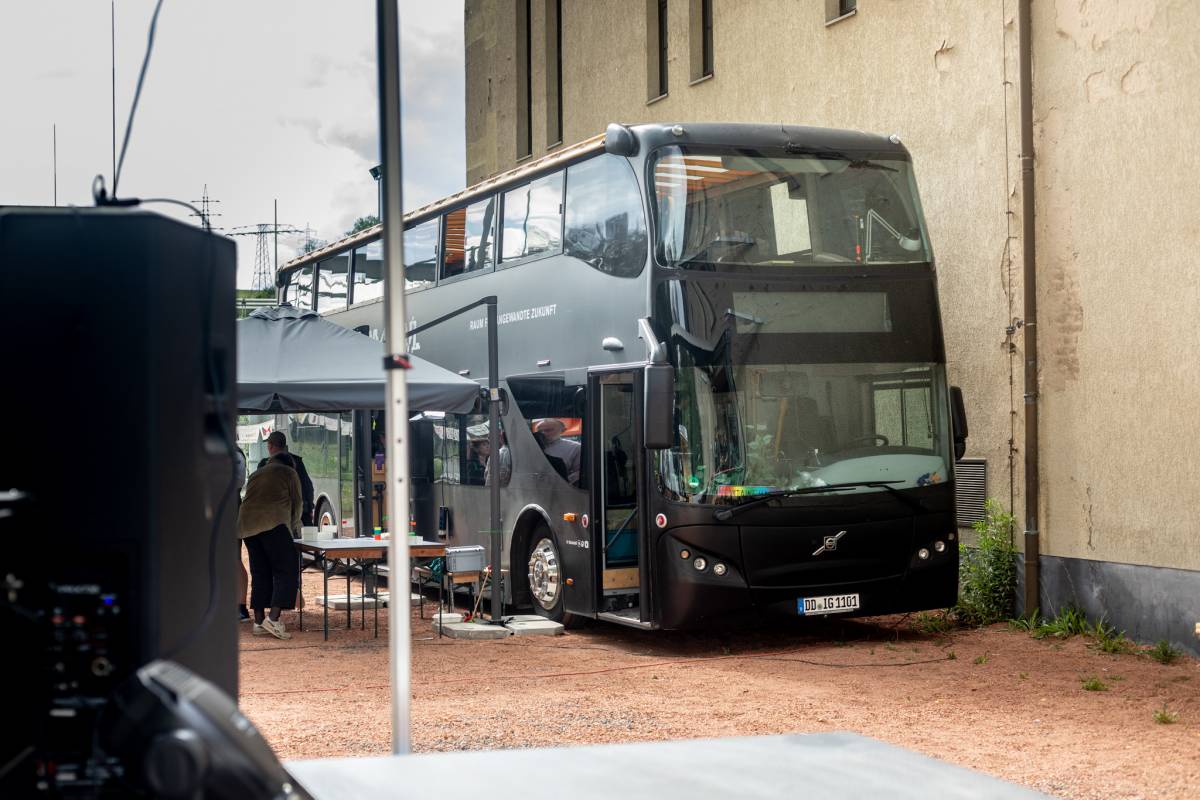
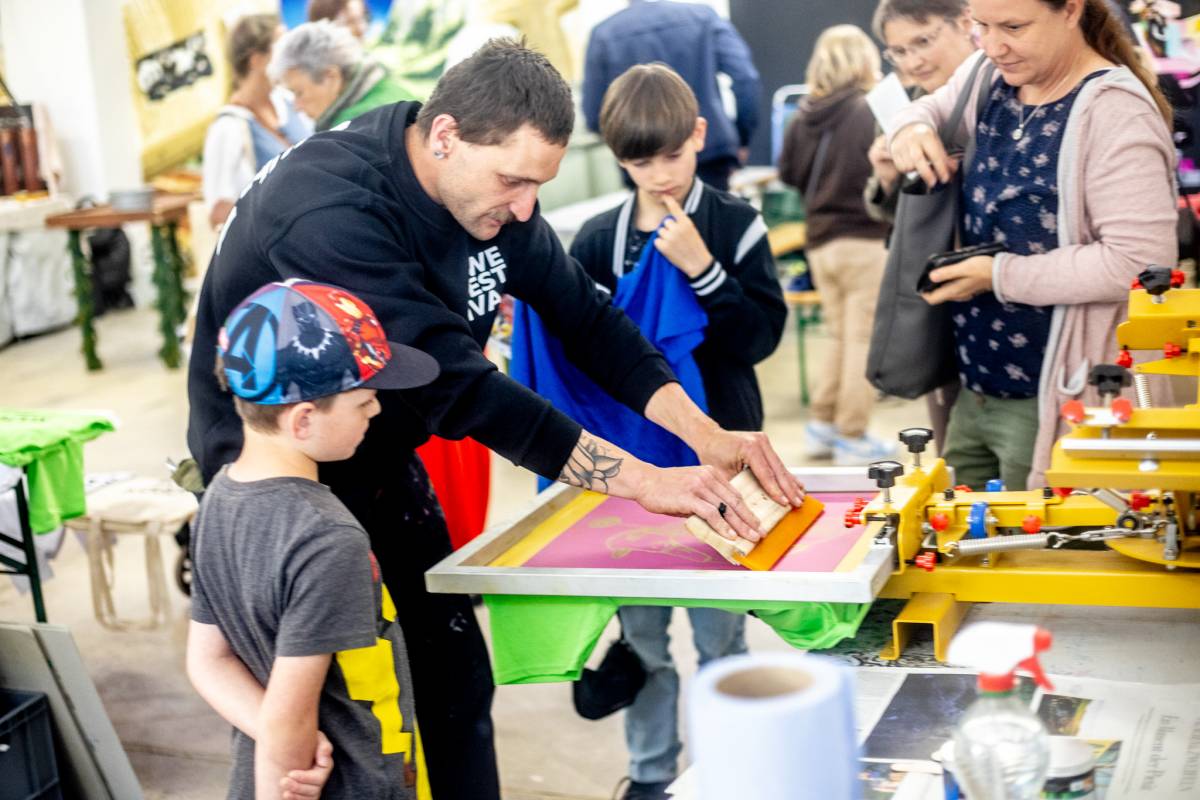
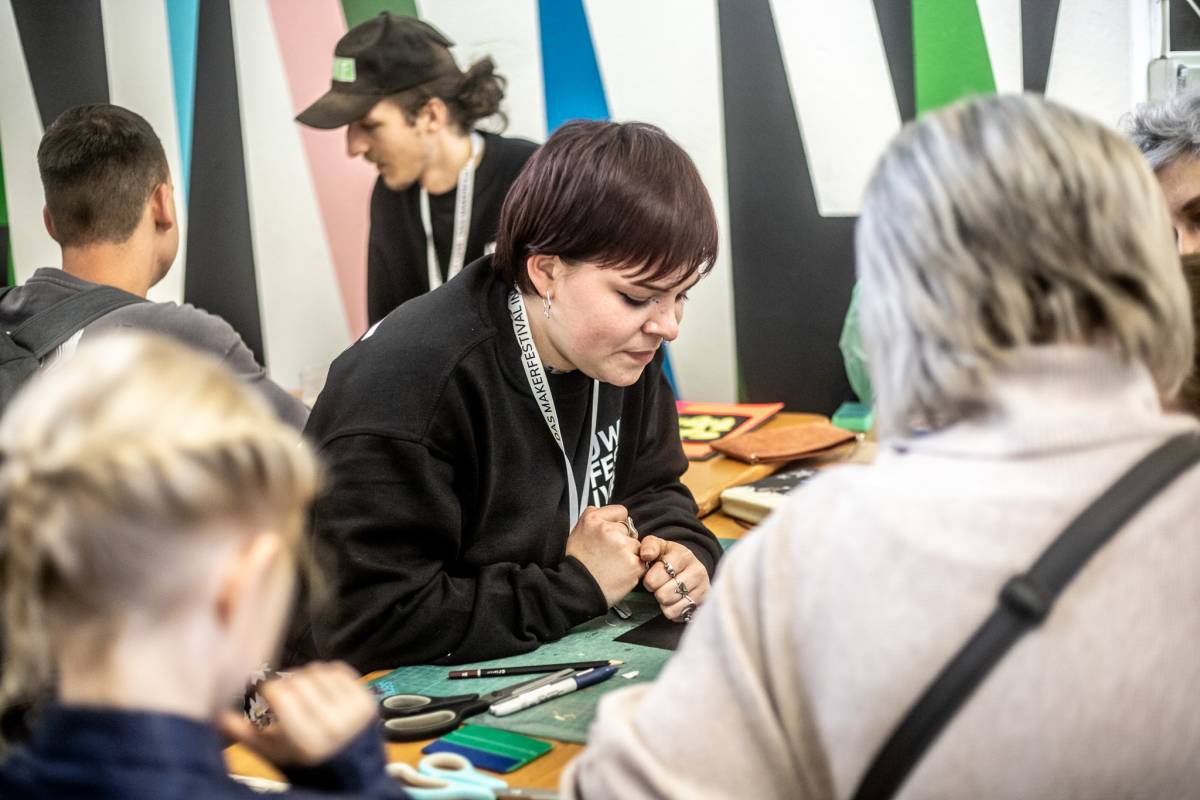
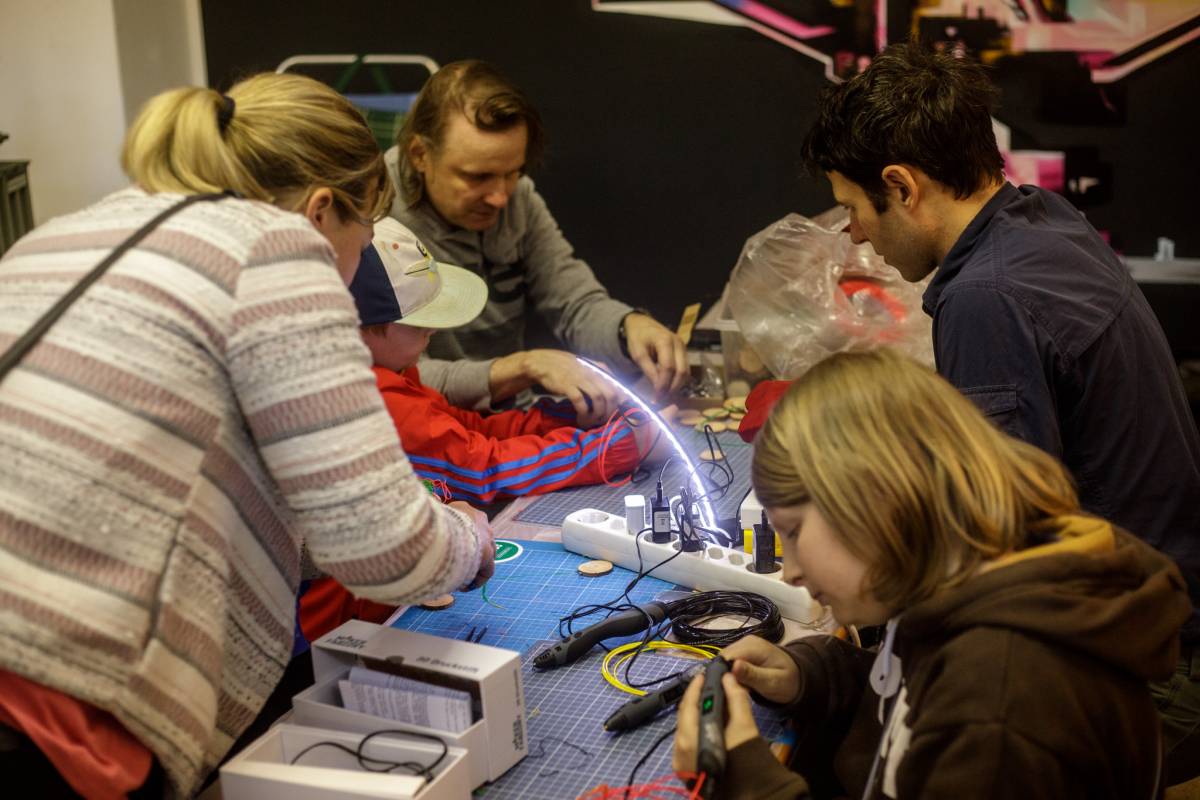
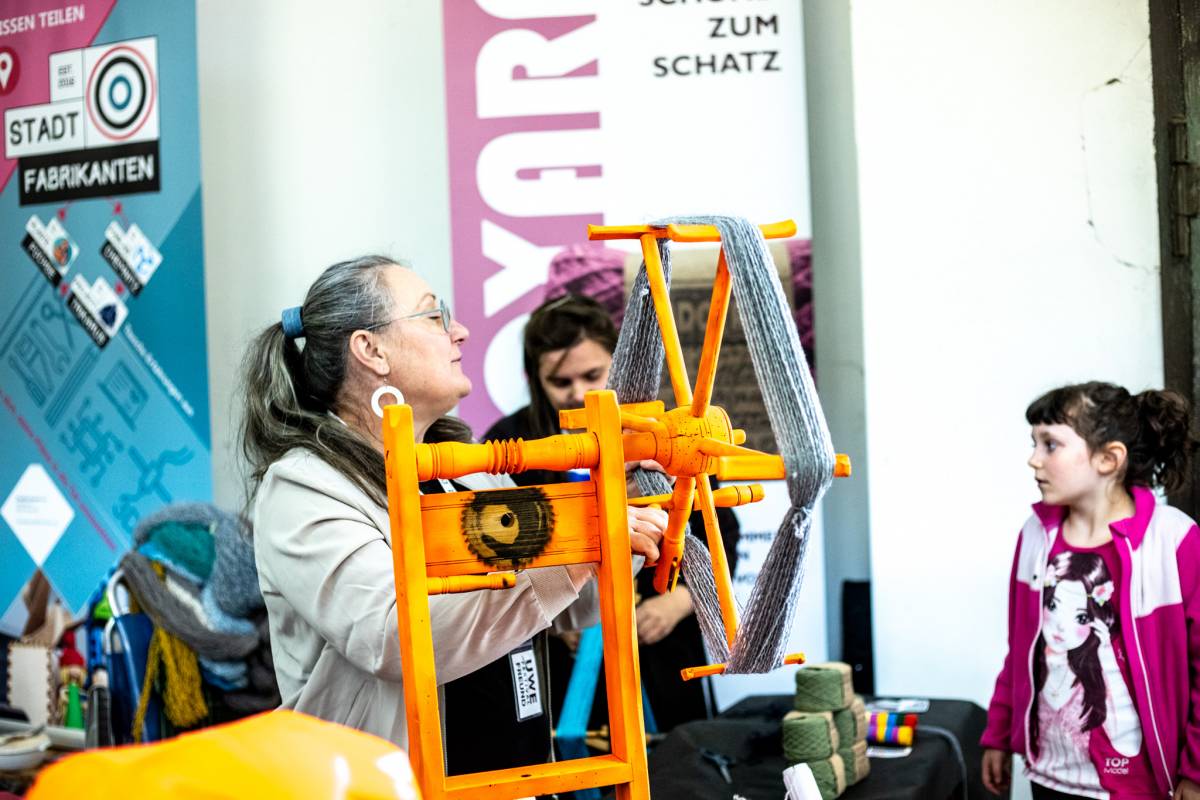
A central element of the festival is the idea of participation. Numerous workshops invited visitors to get creative themselves – from screen printing and batik to Lego printing and airbrushing to DJ techniques and workshops offered by the Chemnitz Industrial Museum. With the FAB-Mobil, visitors could use a complete experimental station in the form of a bus. This means that the festival is not only aimed at art lovers, but also at families, young people and anyone who wants to try something new.
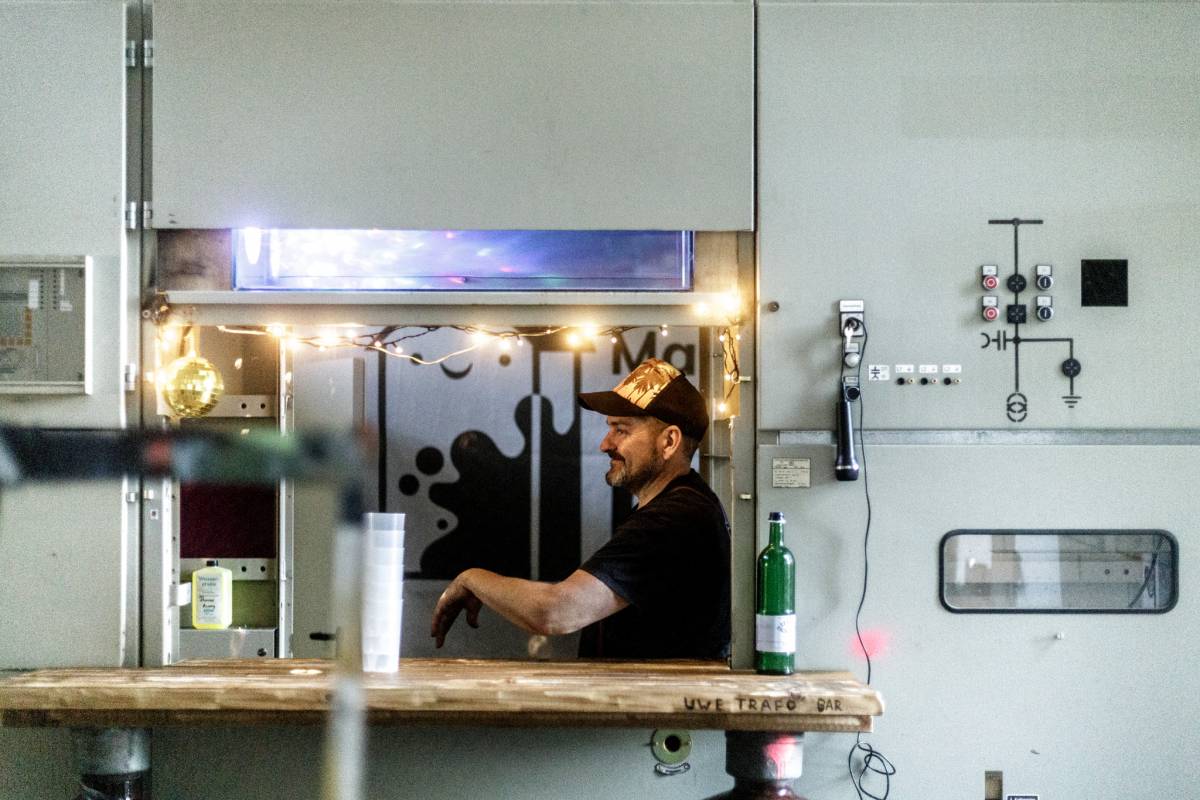
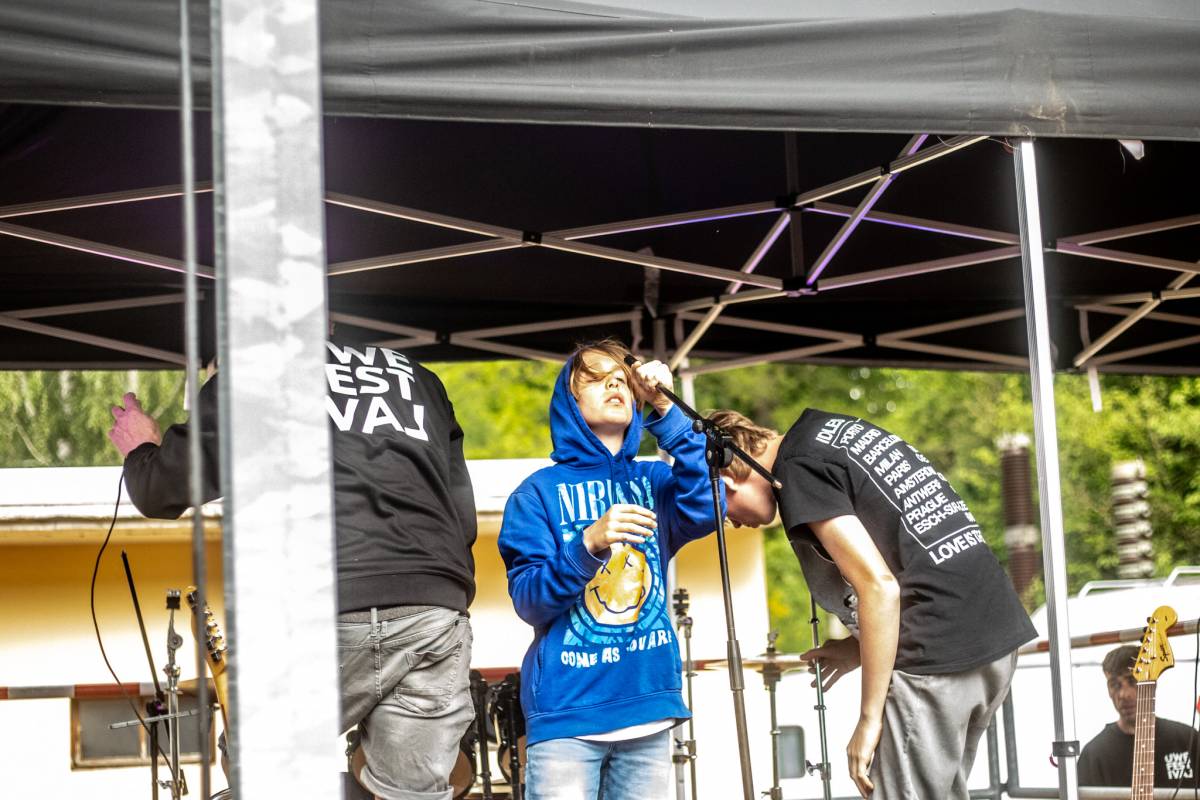
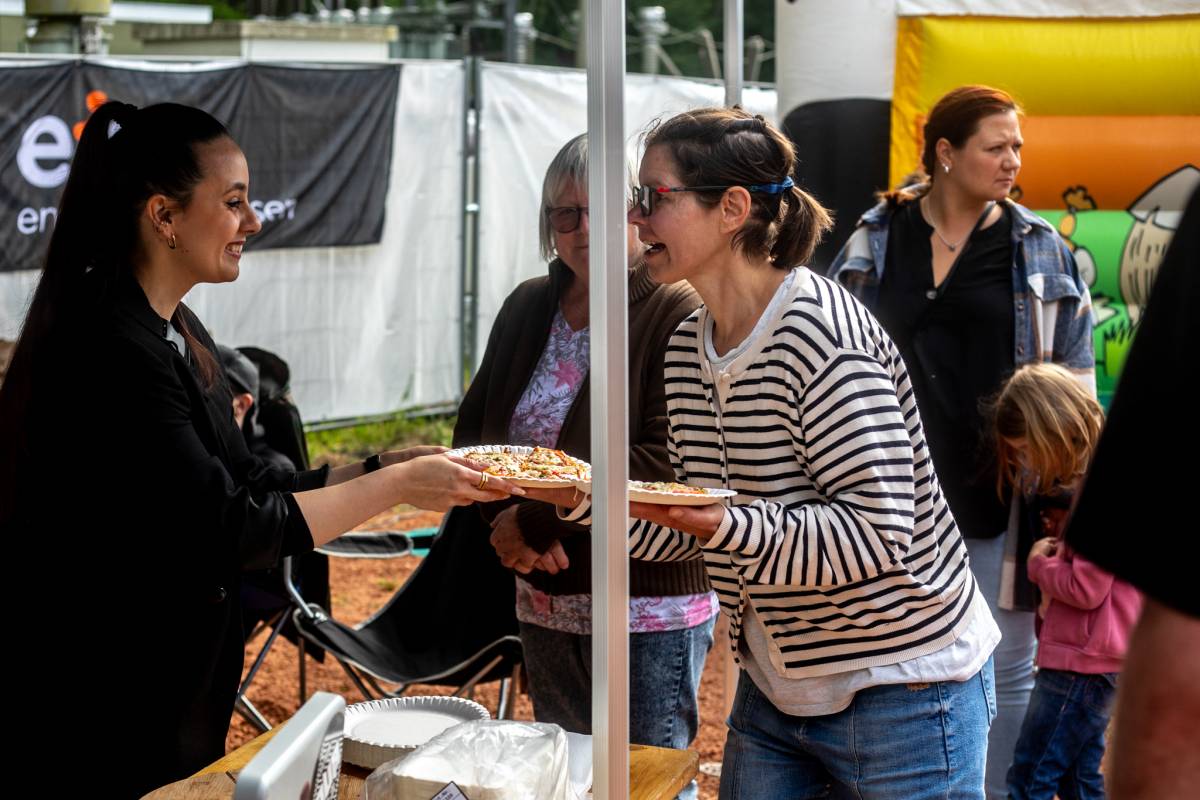
Musically, the UWE Festival 2024 offered a varied programme with live acts and DJs from different genres – from songwriter sounds to hip-hop and rock to electronic music. The programme was complemented by food stands and relaxed meeting areas, which underlined the communal character of the event.
With around 1,300 visitors, 2024 proved once again that the UWE Festival is a special cultural event in rural areas. It combines professional art, creative participation and an open, uncomplicated atmosphere – and makes it clear that innovative cultural formats are not only created in big cities, but also in the heart of Saxony.